Mission and Purpose
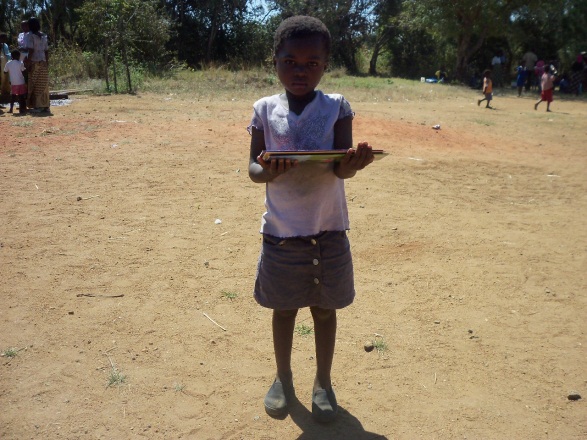
Our mission at Child-Hope Zambia is to reduce poverty, HIV/AIDS and improve the living standards of rural children in Zambia. This is done through equipping the children and the parents with different skills and knowledge that will enable them contribute to their well being.
In order for us at Child-Hope to help the communities realize their dreams, the following needs are essential for the support of the children: Education, health, nutrition, security, protection and religious support. Child-Hope strives to realize the dreams and hopes for orphans and other vulnerable children in the rural communities.
However, we at Child-Hope Zambia can not do this alone as it needs concerted efforts from the donors, church ministries, well-wishers, individuals, companies, foundations etc. This will help the organization realize the dream of the children. Child-Hope has continued serving the rural children even in places that have never been reached before by other NGOs. So far, Child-Hope is the only organization that has direct programmes on children in this Chiefdom.
Our organization is really determined to continue restoring hope to the children who have lost it as a result of losing their parents.
Child-Hope has the following activities in trying to fulfill its objectives:
-Putting up buildings for Early Childhood Development Classes (Day Care Centers) through community participation shared among 15 villages. Under this, the community undergoes mobilization for community development training so as to support mobilization and local resource sourcing. However, these buildings are also used by the primary school going children in the afternoon because government rural schools do not have enough classroom blocks.
-Establishing Day Care Centers and Pre-Schools for young children and literacy classes for adults to improve their reading and writing skills.
-Child feeding programs to support and encourage orphans and other vulnerable children to attend school.
-Health support by making common drugs available to the children e.g. de-worming drugs, anti malaria ,anti bilharzias,panadol and aspirin.
-Income generating activities to improve the community capacity in supporting their children. Activities include mothers clubs who sew different children’s clothes, jerseys, uniforms and table clothes. Youth clubs undertaking piggery, goat rearing skills development activities and gardening. These Income generating activities ensure sustainability of the project.
-HIV/AIDS adolescent youth awareness and education program through peer education and moral upbringing to fight HIV/AIDS in the rural communities. Here, the organization also uses sports participation to disseminate information about HIV/AIDS. It uses sports like soccer, netball and volleyball. Villages compete against each other and the best teams get prizes. This encourages the communities to do more in HIV/AIDS activities. Child-Hope also uses drama, poems and songs to disseminate information about HIV/AIDS. Peer educators have been trained to handle most of the HIV/AIDS programs in the communities.
-Provision of food and medicines to the people living with HIV/AIDS. On the provision of medicines to the people living with HIV/AIDS, Child-Hope makes available: panadol, aspirin. ORS and procaine penicillin. These drugs suppress other diseases that may affect the bodies of the people living with HIV/AIDS due to weak anti bodies caused by HIV/AIDS.
-Home visits to the people living with HIV/AIDS through Child-Hope caregivers. The caregivers feed, wash and clean the homes of the people living with HIV/AIDS that do not have the energy to do this for themselves as a result of sickness. The caregivers also help in turning the bodies and applying medicine to the people living with HIV/AIDS that have developed sores due to over sleeping on one side.
-Gender training workshops for community members to support effective and gender sensitive development. This has helped the rural communities especially the women whose Rights were not considered before.
-Provision of food and nutritional security of the malnourished children directly or indirectly affected by HIV/AIDS.
-Provision of immediate nutritional support to the children identified as acutely malnourished through a monitored supplementary feeding program.
-Establishing communal gardens which increase the food and nutritional security of the malnourished children identified as stunted. 80% of the vegetables in the gardens are consumed by the children and 20% of the vegetables are being sold for the continuation of purchase of seed for gardening.
-Ongoing sponsorship of some children attending basic education
Our mission at Child-Hope Zambia is to reduce poverty, HIV/AIDS and improve the living standards of rural children in Zambia. This is done through equipping the children and the parents with different skills and knowledge that will enable them contribute to their well being.
In order for us at Child-Hope to help the communities realize their dreams, the following needs are essential for the support of the children: Education, health, nutrition, security, protection and religious support. Child-Hope strives to realize the dreams and hopes for orphans and other vulnerable children in the rural communities.
However, we at Child-Hope Zambia can not do this alone as it needs concerted efforts from the donors, church ministries, well-wishers, individuals, companies, foundations etc. This will help the organization realize the dream of the children. Child-Hope has continued serving the rural children even in places that have never been reached before by other NGOs. So far, Child-Hope is the only organization that has direct programmes on children in this Chiefdom.
Our organization is really determined to continue restoring hope to the children who have lost it as a result of losing their parents.
Child-Hope has the following activities in trying to fulfill its objectives:
-Putting up buildings for Early Childhood Development Classes (Day Care Centers) through community participation shared among 15 villages. Under this, the community undergoes mobilization for community development training so as to support mobilization and local resource sourcing. However, these buildings are also used by the primary school going children in the afternoon because government rural schools do not have enough classroom blocks.
-Establishing Day Care Centers and Pre-Schools for young children and literacy classes for adults to improve their reading and writing skills.
-Child feeding programs to support and encourage orphans and other vulnerable children to attend school.
-Health support by making common drugs available to the children e.g. de-worming drugs, anti malaria ,anti bilharzias,panadol and aspirin.
-Income generating activities to improve the community capacity in supporting their children. Activities include mothers clubs who sew different children’s clothes, jerseys, uniforms and table clothes. Youth clubs undertaking piggery, goat rearing skills development activities and gardening. These Income generating activities ensure sustainability of the project.
-HIV/AIDS adolescent youth awareness and education program through peer education and moral upbringing to fight HIV/AIDS in the rural communities. Here, the organization also uses sports participation to disseminate information about HIV/AIDS. It uses sports like soccer, netball and volleyball. Villages compete against each other and the best teams get prizes. This encourages the communities to do more in HIV/AIDS activities. Child-Hope also uses drama, poems and songs to disseminate information about HIV/AIDS. Peer educators have been trained to handle most of the HIV/AIDS programs in the communities.
-Provision of food and medicines to the people living with HIV/AIDS. On the provision of medicines to the people living with HIV/AIDS, Child-Hope makes available: panadol, aspirin. ORS and procaine penicillin. These drugs suppress other diseases that may affect the bodies of the people living with HIV/AIDS due to weak anti bodies caused by HIV/AIDS.
-Home visits to the people living with HIV/AIDS through Child-Hope caregivers. The caregivers feed, wash and clean the homes of the people living with HIV/AIDS that do not have the energy to do this for themselves as a result of sickness. The caregivers also help in turning the bodies and applying medicine to the people living with HIV/AIDS that have developed sores due to over sleeping on one side.
-Gender training workshops for community members to support effective and gender sensitive development. This has helped the rural communities especially the women whose Rights were not considered before.
-Provision of food and nutritional security of the malnourished children directly or indirectly affected by HIV/AIDS.
-Provision of immediate nutritional support to the children identified as acutely malnourished through a monitored supplementary feeding program.
-Establishing communal gardens which increase the food and nutritional security of the malnourished children identified as stunted. 80% of the vegetables in the gardens are consumed by the children and 20% of the vegetables are being sold for the continuation of purchase of seed for gardening.
-Ongoing sponsorship of some children attending basic education
-Distribution of mosquito nets so as to reduce the high rates of malaria cases among the children.
-Provision of maize seed and fertilizer to the families that are hard to reach due to socio-economic situation in which they exist.
-Provision of maize seed and fertilizer to the families that are hard to reach due to socio-economic situation in which they exist.